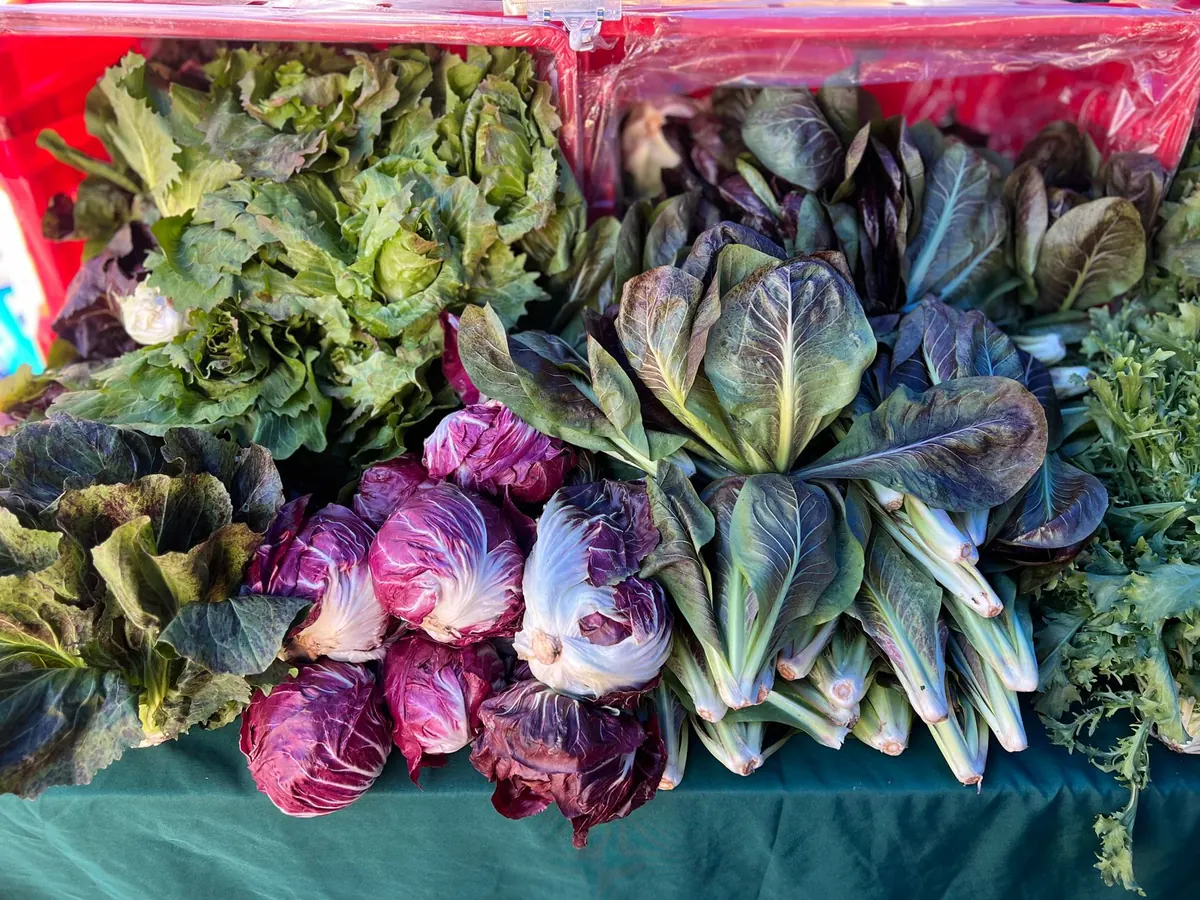
October 26, 2026
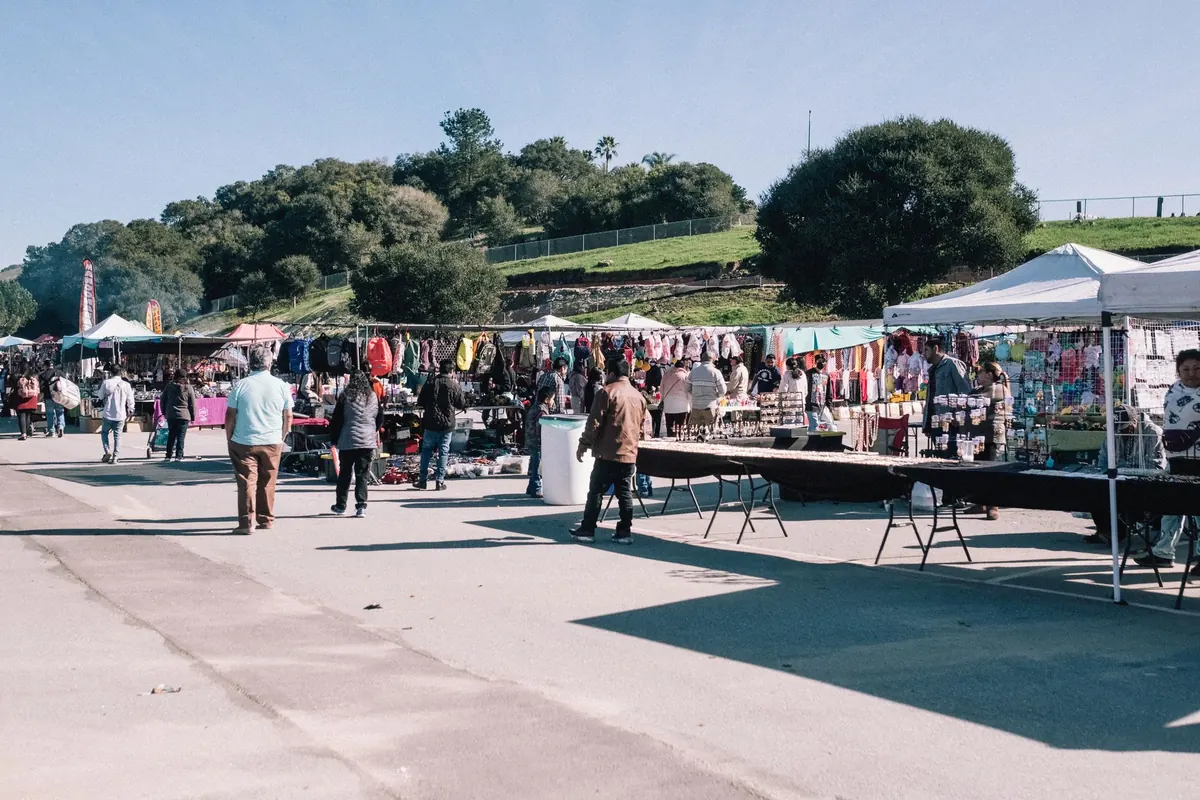
A community market day looks simple from the outside: you show up, wander between stalls, buy a few things, go home. Anyone who has done it well knows there is a little more to it. The people who leave calm and happy tend to be the ones who planned a bit — they packed the right bag, brought the right amount of cash, knew what they actually needed, and took the time to talk to the people behind the tables. The ones who end up with four melons and no way to carry them are usually the ones who improvised. This checklist is here to keep you in the first group.
Pack the Night Before, Not on the Way Out
Market-day mornings are always tighter than expected. Packing the night before removes the small frictions that make you forget things — and forgetting your bags means coming home with a plastic sack that will tear before you reach the car.
The bag you bring
- Reusable bags, more than you think. Three or four flat-foldable totes take up almost no room and handle far more than one flimsy bag.
- A sturdy basket or small trolley if you are buying produce by the kilo. Carrying eight kilos in your hands across a field gets old fast.
- An insulated bag or cooler for cheese, meat, fish, or anything that will sit in a warm car.
- Cash in small notes and coins. Many vendors accept cards now, but small notes keep the queue moving and help a stallholder who has run low on change.
- A foldable umbrella and a sun hat. Markets happen outdoors in whatever the weather decides to do.
- A bottle of water and a small snack. You will stay longer than you planned.
- Hand wipes or sanitiser, especially if you will be eating there.
- A charged phone and, if you have one, a screenshot of your shopping list.
One extra item earns its place: a tape measure or a photo of the corner of the room where the piece of furniture is supposed to go. It is the difference between buying the right little shelf and spending the weekend rearranging the hallway.
Set a Budget You Can Actually Keep
Community markets are gentle traps for the wallet. Nothing is expensive on its own, which is exactly how a small budget turns into a large one. Before you leave, decide on a rough total and split it in your head: food for the week, one or two treats, and a small amount set aside for the community stalls at the end of the row.
Carrying cash helps more than any app. When the notes are gone, you stop. Cards make it easy to say yes one more time, and vendors with card readers are, quite reasonably, trying to sell you things.
If you are buying something significant — a piece of furniture, a bicycle, anything with a meaningful sum attached — take a moment to check its condition properly and ask about returns before you pay. For purchases with real financial weight, get independent advice rather than relying on a friendly conversation at a stall.
A simple split that works
- Roughly half for planned food and household essentials.
- A quarter for things you did not plan but genuinely need — the good tomatoes, the replacement wooden spoon.
- A quarter for the community raffle, the school stall, the local group selling cakes.
Buy With a List, but Stay Open
A list stops you from bringing home a third jar of honey and no bread. Keep it short and written by category — vegetables, dairy, dry goods, gifts — so you can move through the market without looping back and forth.
That said, a market rewards flexibility. If the beans look tired but the courgettes are excellent, change the plan. Ask what came in that morning. Ask what is at its best right now. Vendors know their own stock better than any sign does, and they will happily steer you toward the tray they are proud of.
Inspect before you commit. Lift the punnet, check the underside, squeeze gently. A good vendor will not be offended; most will hand you a better one. For prepared food, ask about ingredients and how it was made — a sensible precaution if you or someone at home has an allergy or a dietary restriction.
The Questions Worth Asking a Vendor
Conversation is half the value of a market day. You learn what is in season, where something was grown, and whether the soap is safe for a child's skin. A few questions that reliably lead somewhere useful:
- Where is this from, and when was it picked or made?
- How long will it keep, and how should I store it?
- Do you come every week, and which day?
- Do you take orders or hold things for collection?
- Is there anything you would recommend instead of what I picked up?
That last one is the quiet winner. It signals that you are interested rather than merely transactional, and it often leads to the best thing on the table. Write down the names of two or three vendors you liked. Next month you will know exactly where to start, and they will remember you.
Support the Groups, Not Just the Stalls
Most community markets exist because a school, a sports club, a library friends group, or a neighbourhood association did a lot of unpaid work. The stalls in the corner raising money for those groups are not an afterthought; they are often the reason the market is allowed to happen.
Budget a small amount for them and spend it on purpose. Buy a raffle ticket without checking the prize. Take a slice of cake from the table with the hand-lettered sign. Ask the volunteers what the money is going toward this year — it is a good conversation and it tells them someone noticed.
If you have time, ask whether they need help setting up next month. An hour stacking chairs is genuinely useful, and markets that build a small pool of regular helpers last far longer than the ones that depend on the same five people every time.
Before You Head Home
Do one last loop before you leave. Check your list, and check whether you promised anyone something — the neighbour who wanted the good olive oil, the colleague who asked about the plant stall. Buy the heavy things last so you are not carrying them around for two hours.
Then unpack properly when you get back. Wash the greens, portion the cheese, put the bread cut-side down, and get the cold items into the fridge first. Five minutes now saves a sad discovery midweek.
Finally, make a two-line note for next time: what you were glad you bought, what you bought too much of, and which vendor you want to return to. Markets are monthly rhythms, and a small note turns a pleasant morning out into a routine that actually works — for your kitchen, your budget, and the people who set up their tables at seven in the morning.
Photo: Deane Bayas / Pexels