October 25, 2026
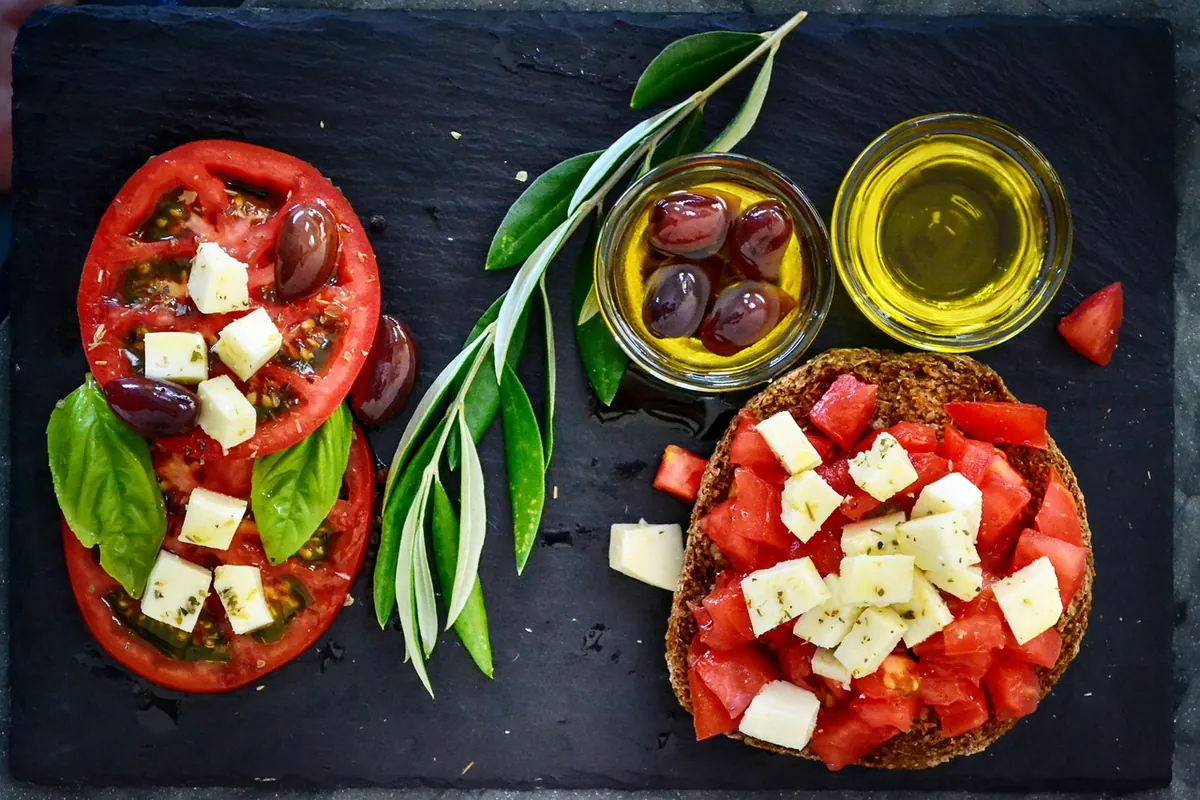
Market shopping works best when you treat the stall as a conversation, not a vending machine. The same olive oil, cheese, or jar of preserves can look almost identical from one table to the next, yet taste completely different a week later. A few questions and a little sensory attention will tell you more than a pretty label. Here is how to choose three market staples with confidence, whether you are cooking for the week or putting together a gift.
Start with the vendor, not the label
Before you focus on the product, focus on the person selling it. A good vendor will tell you what is in season, what is drinking well right now, and what to avoid. Ask open questions and listen for specifics. “It’s very good” is less useful than “This oil was pressed in November from a single grove; use it raw.” You are not looking for a script. You are looking for someone who knows the batch in front of you and is honest about its limits.
A short list of questions works for almost any stall:
- When was this made, harvested, or opened?
- Where does the main ingredient come from?
- How should I store it at home?
- What would you serve with it tonight?
If the vendor cannot answer, that is not automatically a red flag—markets are busy and helpers may be covering—but it is a reason to slow down. Good vendors often volunteer the catch: “This one is sharp, so use it sparingly” or “These jars are best within a month.” That kind of detail is worth more than a shelf of awards.
Olive oil: freshness, origin, and the taste test
Olive oil is the easiest market item to buy badly and the easiest to buy well once you know what to look for. Start with freshness. Ask for the harvest date, not just the best-before date. Olive oil is a fruit juice in spirit; it fades with time, heat, and light. A bottle with a recent harvest date, stored in dark glass or a tin, is usually a safer bet than a decorative bottle that has been sitting in sunlight. If the oil is sold from a bulk container, ask when it was opened and how often the container is topped up.
Taste cues
At the stall, taste a small amount. Good oil should smell fresh—green leaves, cut grass, artichoke, tomato leaf—and feel clean on the tongue. A peppery catch at the back of the throat and a pleasant bitterness are often signs of freshness and character, especially in oils meant for finishing. Rancid oil smells like old nuts, crayon, or a greasy kitchen cloth; if you catch that, move on. Sediment is not automatically a fault, but ask about it, because it can shorten shelf life.
Ask whether the oil is a blend or from one grove, which olive varieties are in it, and whether it is intended for cooking or finishing. A robust oil can stand up to roasting; a delicate one is better drizzled over beans or bread. “Cold pressed” on a label is not a complete quality guide on its own. Your nose, the harvest date, and the vendor’s answers will tell you more.
Cheese: milk, age, and the rind
Cheese buying at a market is partly about romance and partly about logistics. Ask what animal’s milk is used, whether the cheese is made from raw or pasteurized milk, and how long it has aged. These are not snob questions; they predict flavour, texture, and how long the cheese will keep. A young goat cheese may be bright and lemony; an older one can be drier, nuttier, and more intense. A soft bloomy rind may be ready to eat today and past its best in a week.
At the counter
Look at the rind and the cut face. The rind should look intentional for the style—thin and fuzzy, washed and orange, or natural and rough—not cracked, weeping, or patchy in a way the vendor cannot explain. The paste should look moist, not dried at the edges. Smell before you taste. A little ammonia at the rind can be normal for some soft cheeses, but a strong ammonia smell through the paste usually means it is tired. Ask for a small taste and notice whether the flavour lingers pleasantly or turns sour and bitter.
Ask how to store it. Most cheese prefers a cool place and a wrapper that lets it breathe, but the vendor knows the specific make. Take it out of the fridge a little before serving so the flavour opens up. If you are pregnant, immune-compromised, or buying for someone who is, ask about pasteurization and take medical advice where needed rather than relying on market chat. Buy only what you can eat within the cheese’s realistic window.
Preserves: ingredients, acidity, and seals
Preserves cover a wide family: jams, marmalades, compotes, pickles, relishes, tomato sauces, and jars of vegetables in oil or brine. The best ones taste of the main ingredient rather than only sugar, vinegar, or spice. Ask what the fruit or vegetable content is, how sweet or acidic it is meant to be, and whether the jar is shelf-stable or must be refrigerated after opening. A spoonful straight from the jar—if the vendor offers—will tell you more about balance than a paragraph on the label.
Seal and storage
Check the lid and the jar before you buy. A vacuum seal should look clean and slightly concave; if the lid bulges, leaks, or smells off when opened, do not buy it. Stained labels, sticky rims, and cloudy brine can be warning signs. For home-preserved low-acid vegetables, ask how they were processed and how they should be stored. Do not assume a market jar is shelf-stable just because it looks rustic. Once opened, use a clean spoon, keep the jar covered, and follow the vendor’s storage advice.
Taste cues are simple. Jam should taste like fruit with enough sugar to preserve it, not like candy. Pickles should be crisp or properly tender, with clean acidity. A tomato preserve should smell sweet and cooked, not metallic. If the flavour is flat or the texture is mushy, leave it.
Reading labels without getting lost
Labels are useful, but they are not a substitute for asking. Start with the ingredients list: ingredients are usually listed by weight, so if sugar or sunflower oil appears first, the product is built around it. Look for the origin of the main ingredient, the production or harvest date, storage instructions, and allergen information. For cheese, check the milk treatment and age if they are stated. For olive oil, look for a harvest date rather than only a best-before date. For preserves, check whether the jar is meant for the pantry or the fridge after opening.
A label is a starting point. The vendor’s answer is the second half of the story.
Then ask what the label cannot tell you: how this batch tastes, how it was made, and what the vendor would choose for a specific dish. A label can confirm facts; a conversation can tell you whether the product suits your table.
Before you pay: a five-minute checklist
Before you pay, run through a short checklist. It takes a minute and saves you from bringing home a jar you will not finish or an oil that has already peaked.
- Taste if you can. A small sample tells you more than any description.
- Ask for the date that matters. Harvest for oil, production or age for cheese, making date for preserves.
- Check the package. Dark glass or tin for oil, clean rinds and seals, no leaks or bulges.
- Buy for the next few weeks. Market specialities are often best fresh; a smaller amount you will use beats a bargain you will forget.
- Write down storage advice. A note on your phone—“fridge after opening” or “keep cool and dark”—prevents good food from going to waste.
Leave room for one experiment each visit: a different olive variety, a cheese you cannot pronounce, a preserve you would not normally pick. That is how a market becomes your market.
Photo: DanielaElenaTentis / Pixabay