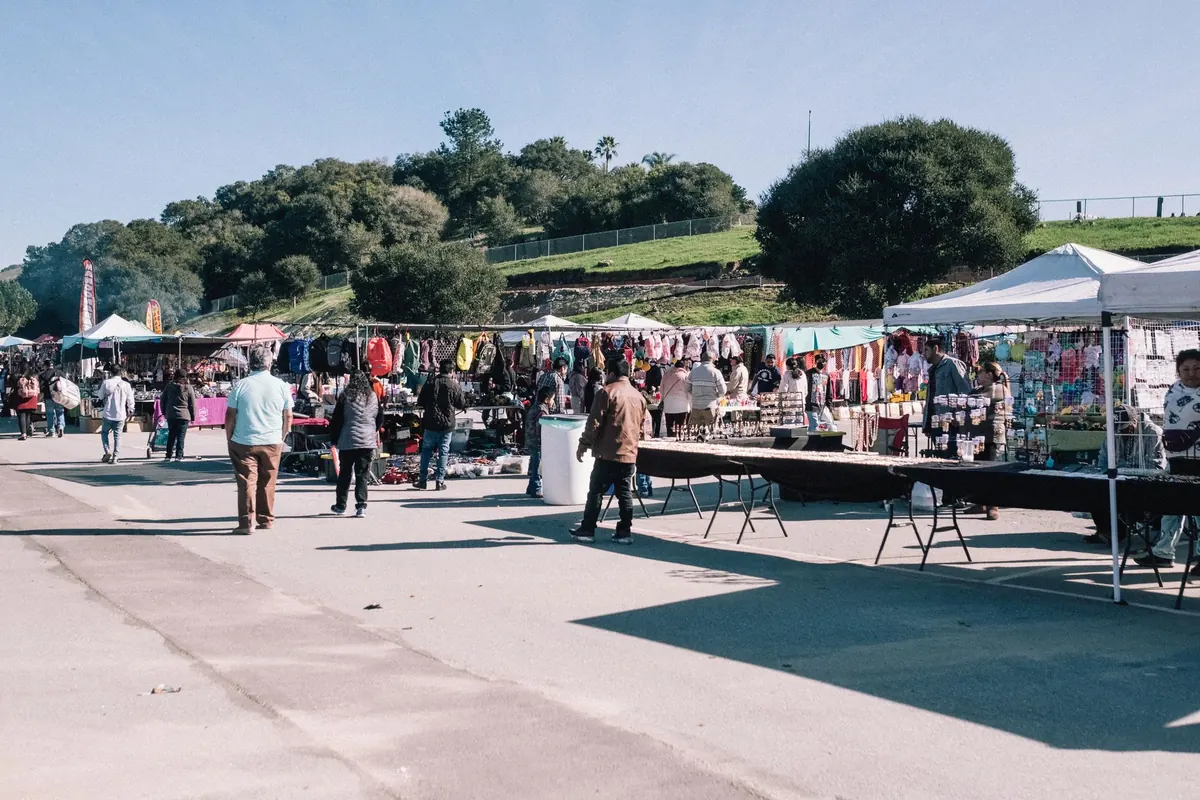
October 23, 2026
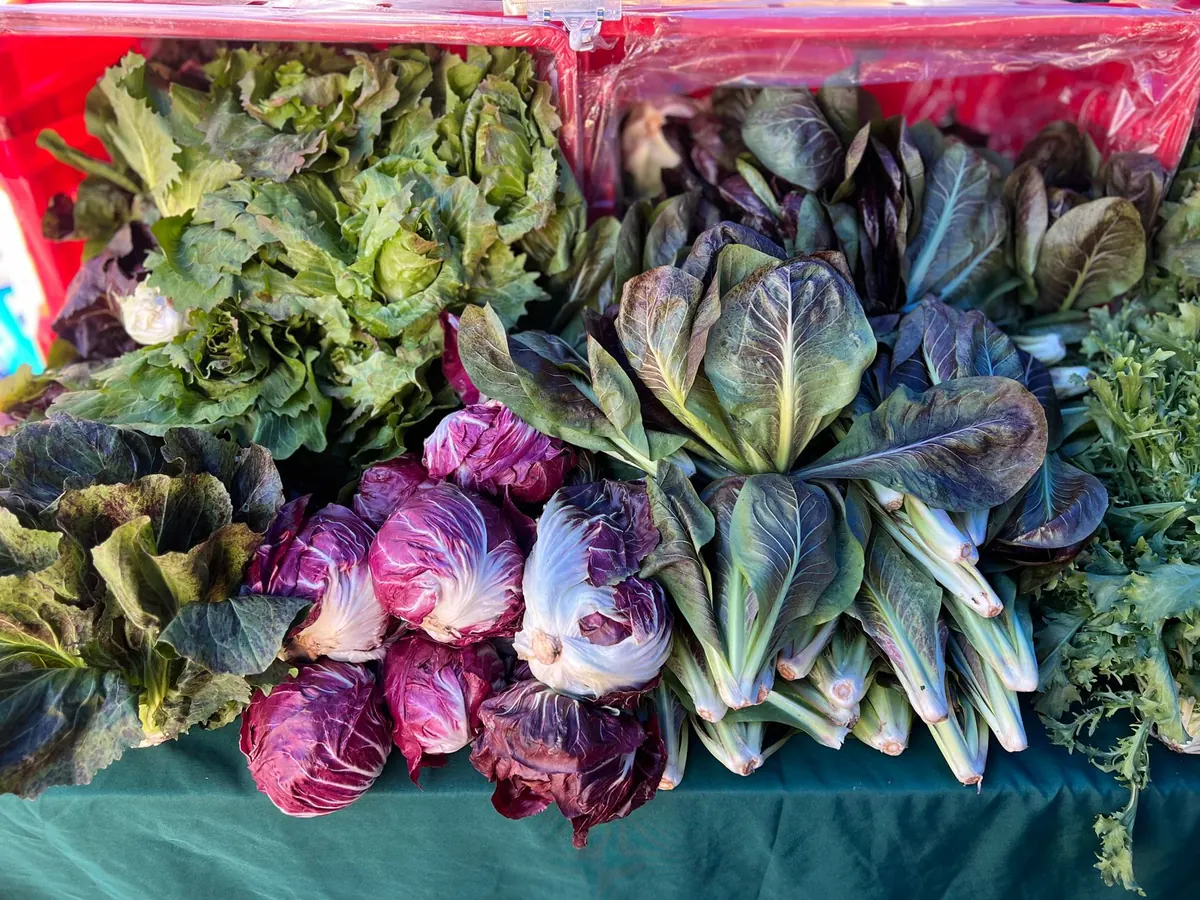
The first time you buy tomatoes from a stall instead of a supermarket shelf, the produce starts talking back. A crate that is half empty by ten in the morning says something different from one piled to the brim with identical, waxy fruit. Learning to read those signals is most of the skill of seasonal buying: not memorising a calendar, but noticing what a vendor is proud of, what is cheap for a reason, and what will still be worth eating on Thursday.
What "In Season" Really Means at a Stall
Seasonal is a word used loosely. On a market stall it usually means one of three things, and only one is what you are hoping for.
Field-grown and picked ripe is the first. The fruit or vegetable spent its last weeks outdoors or under simple cover, was cut near the point where flavour peaked, and travelled a short distance. It bruises easily and does not keep long, which is exactly why it tastes of something.
Stored is the second. Apples, pears, potatoes, onions, winter squash and cabbage are often held in controlled conditions for months. That is not a trick — it is how households have eaten through winter for generations — but a stored apple in April is a different purchase from a just-picked one in September, and the price should reflect it.
Greenhouse-grown or imported is the third. Unheated polytunnels stretch a season by a few weeks at each end, which is fair enough. Heated glasshouses and long shipping can put almost anything on a stall in any month, and the result is usually firm, uniform and faintly disappointing.
None of this means refusing them. It means knowing which one you are buying before you hand over your money.
Read the Stall Before You Read the Price
Start with the crates, not the labels.
Quantity is the first clue. A heap of something at its peak — broad beans in late spring, peaches in August — is usually large, uneven and slightly messy, because it arrived recently and there is plenty of it. Three tidy punnets of the same thing in the middle of winter tell you it was expensive to bring in and is not selling.
Variation is the second. Field-grown produce is not identical: tomatoes differ in size, courgettes curve, peppers carry a scar or two. A crate of perfectly matched specimens has usually been graded, grown under cover, or both.
Look for the details that travel badly. Soil on leeks and potatoes, dew inside a bag of leaves, deep green herb stems, a cut stem that is still pale and damp rather than brown and dry. Wilted basil at eight in the morning is a warning; the same basil at four in the afternoon in July means almost nothing.
Watch where the vendor puts things. Stallholders place their best produce at the front and their most profitable produce at eye level. Then ask what is good today — and listen for a specific answer. "The peaches came in this morning" is a different sentence from "everything is good".
Use a Calendar as a Compass, Not a Rulebook
Seasonal charts are useful and slightly misleading. A printed calendar suggests asparagus begins on one date and ends on another; in reality a warm spring pushes it forward a week or two, a cold one holds it back, and altitude, soil and variety shift everything again. Two markets forty kilometres apart can run a fortnight out of step.
So use the chart to know roughly what to expect, then let the market correct you. The most reliable calendar is the stall itself over a few months: notice when the first decent tomatoes appear and when the last good ones go. That memory is worth more than any poster.
There is a shorter season inside every crop, too. The first week is often thin and expensive, the middle is generous, and the end can be excellent value and slightly past its best. Buy the middle for flavour, the end for sauces and jam.
Questions That Get You a Real Answer
Most people ask "is it good?" and get a nod. Better questions are specific, easy to answer honestly, and show that you are paying attention.
- "When was this picked?" — a rough answer is fine; a vague one is information too.
- "Is this from around here?" — ask plainly, without suspicion. Vendors who buy in from wholesale will usually say so.
- "Which of these two would you take home?" — forces a comparison and often gets you the honest pick.
- "How long will it keep?" — the answer tells you how ripe it actually is.
- "Is this the first of the season?" — early crops cost more and taste less; worth knowing before you buy a kilo.
- "What do you have too much of?" — a friendly way to find the bargain and the peak at the same time.
Ask one question, not five, and wait for the answer without prodding the fruit. A vendor who has seen you listen will point you to the better crate next week.
Out-of-Season Buys to Think Twice About
A few things rarely repay the money outside their window:
- Soft berries and stone fruit in the cold months — they are picked hard and shipped long, and they bruise before they sweeten.
- Tomatoes in winter: pale, watery, and priced as if they were a luxury.
- Asparagus and artichokes outside spring, when the stalks and leaves are woody rather than tender.
- Large bunches of fresh herbs, tightly banded and identical, which have usually travelled further than you would guess.
- Pre-cut, pre-mixed and pre-dressed anything — you pay for the knife work and lose the freshness.
This is not a list of forbidden foods. It is a reminder that provenance matters, and that market sellers range from growers with muddy boots to resellers with a good display. Labelling rules vary and not every stall is the same, so if origin matters to you, ask directly rather than assuming the word "local" on a handwritten card settles it.
Buying Well: Quantity, Timing, and the Week Ahead
Buy less than you think. A market trip twice a week beats one big haul: you get riper produce, you waste less, and you learn faster. Three days of vegetables is a sensible first target.
Timing helps too. Early for choice, late for bargains — many stalls reduce prices in the final hour, and what remains is often perfectly good, just tired of being looked at. Bring your own bags, carry small notes and coins, and do not dig through a crate to find the specimen at the bottom. Say what you want and let the vendor pick; they know their stock better than you do.
A Simple Plan for Your First Few Trips
Walk the whole market once before buying anything, noting which stalls are busy and which are selling the same three things as everyone else. Choose one that looks like a grower's — fewer items, more crates, some dirt — and buy three things only. At home, note what kept and what did not, and what you paid. Then go back to the same vendor next week and tell them how it turned out. That small loop, repeated a few times, will teach you more about seasonal buying than any chart on the wall.
Photo: Natalia S / Pexels