October 23, 2026

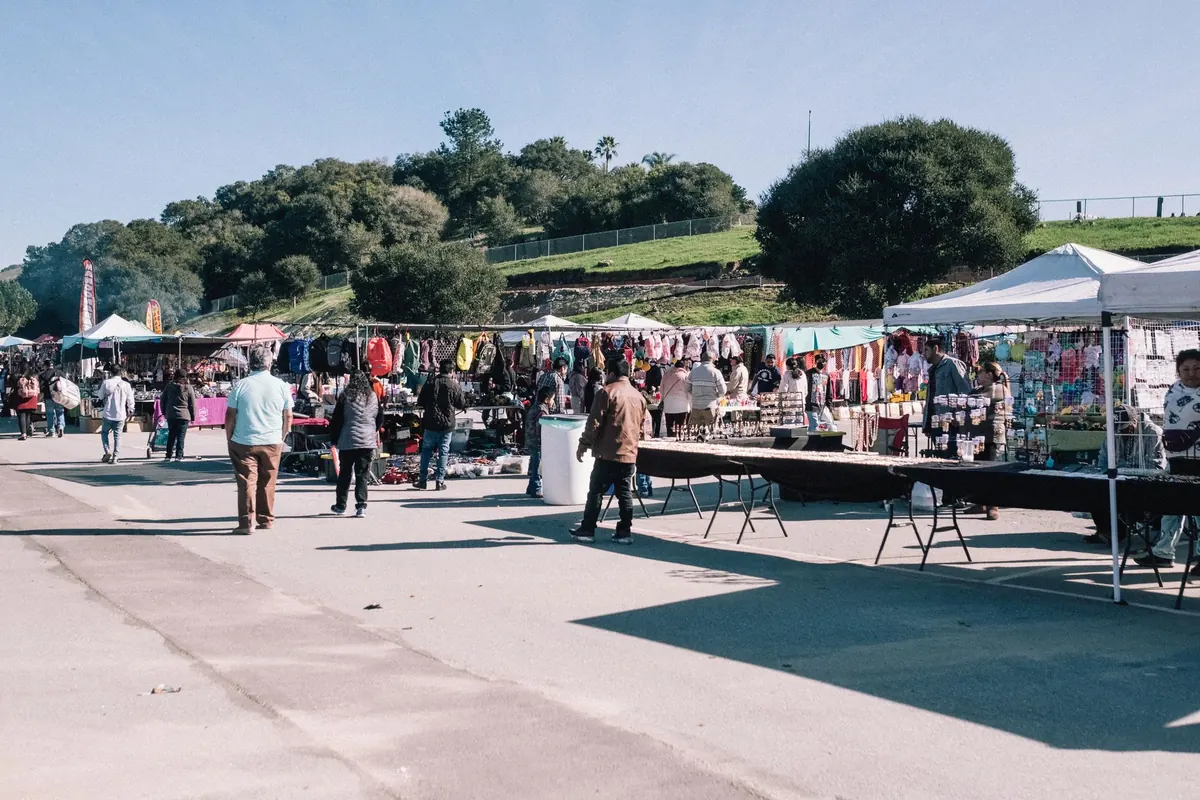
A market is one of the few places left where a printed price can be a starting point rather than a verdict — but only at some stalls, and only if you read the situation correctly. Ask for a discount at the wrong table and you'll get a polite no. Push harder and you get something worse: a seller who remembers your face next week.
Negotiating well has less to do with clever tactics than with timing, respect, and knowing what you're actually asking for. Done properly, it's a short, friendly exchange that leaves both sides satisfied.
Read the stall before you open your mouth
Not every table is a negotiating table. Look for the signals first. A stall with individual price tags on every item, a card reader, a printed list and a queue of regulars is usually selling at set prices — the seller has done the maths once and doesn't want to do it again for every customer.
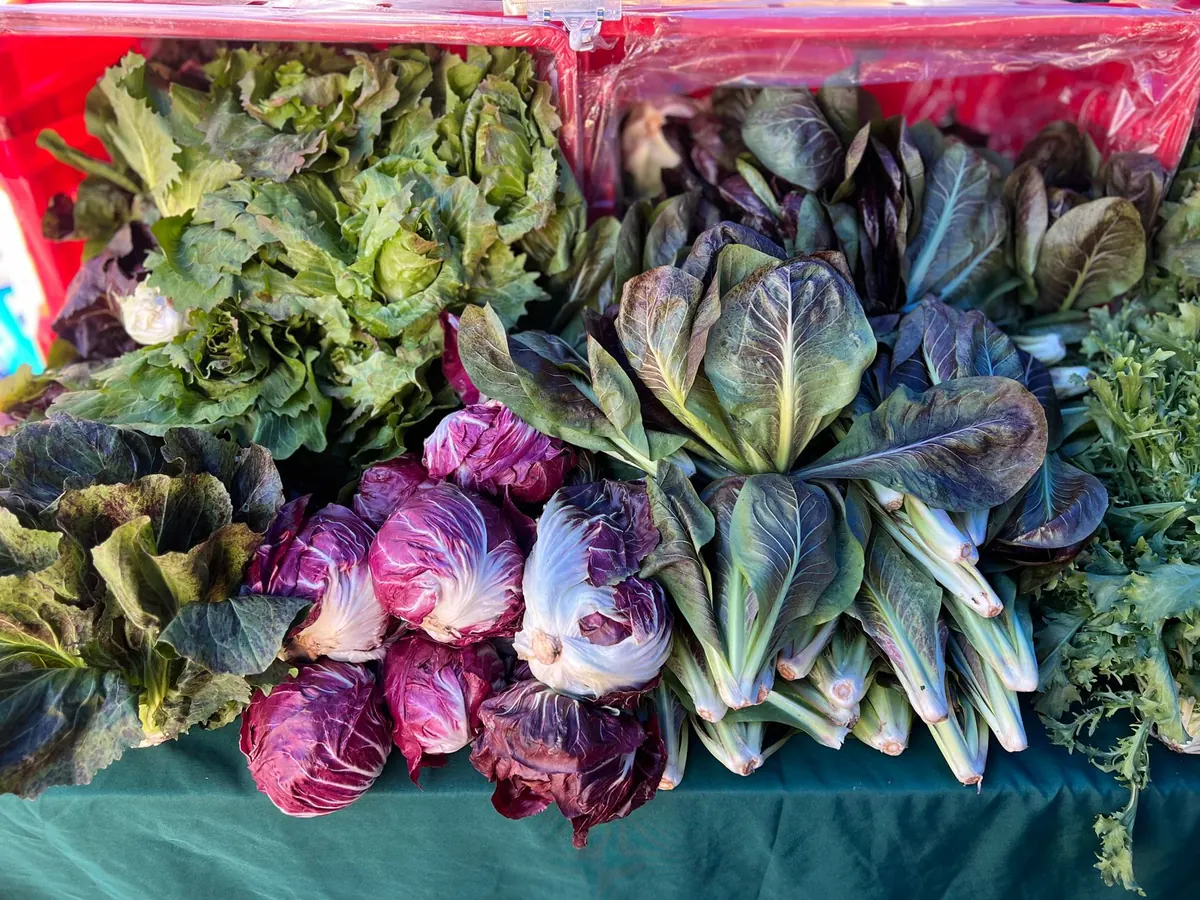
Flexibility tends to show up elsewhere: crates of produce with no tags, a farmer selling the crop they grew, second-hand goods, end-of-day trays of soft fruit. So does the margin. A potter selling handmade bowls is mostly charging for hours of work, and a small reduction cuts straight into their time. A trader clearing a van of tomatoes has more room to move, especially as the afternoon wears on.
The closer the goods are to a plain commodity, and the closer the seller is to packing up, the more likely a friendly question will land well.
Ask questions first, talk price second
The quickest route to a better price is genuine interest. Ask where the cheese is from, how ripe the peaches will be tomorrow, what separates the two olive oils. Sellers who make their own products will happily talk, and the conversation often ends with them offering something — a taste, a second box at a lower rate, a rounded-down total.
Ask in the local language if you can, even badly. A simple quanto costa? and a grazie do more work than a fluent negotiation delivered in English. You're signalling that you see a person behind the counter, not a vending machine.
Then ask the price for the quantity you actually want. "How much for a kilo?" is clearer than "how much is this?", and it moves the exchange toward a real number instead of a vague one.
Timing decides more than tactics
Early in the day you have the best choice and the least leverage. The seller has a full stall, hours of selling ahead, and no reason to discount. That's the moment to buy the good stuff at the asking price.
Later, the balance shifts. Perishable stock that won't keep until tomorrow becomes a liability, and a seller packing up would often rather move a crate cheaply than load it back into the van. The last hour is when "would you do a better price on the rest of these?" is most likely to work.
Two other notes. Don't negotiate while there's a queue behind you — you're costing the seller sales and putting them on the spot. And skip the Saturday crush; wait for the quiet mid-morning lull when there's time to talk.
Bundling: ask for a better deal without insulting anyone
Most beginners negotiate on the price of a single item, which puts the seller in an awkward spot: any discount comes straight out of one small sale. Bundling changes the shape of the deal.
Instead of "will you take less for these tomatoes?", try "if I take these two boxes and the crate of peppers, what can you do?" The seller is now looking at a bigger sale, and a modest reduction is easier to justify. It also gives them a graceful way to say yes without feeling talked down on their own produce.
- Ask for a rounded total on a mixed bag instead of a discount on each item.
- Take the less perfect specimens — the small apples, the last of the cherries — and ask what they'd do for the lot.
- Add a second thing you genuinely want, rather than inventing filler to strengthen your case.
- On antique and second-hand stalls, group two or three related pieces and offer one price for the set.
Don't bundle things you don't need. A discount on a larger basket you didn't want isn't a discount at all.
Words that work, and words that close doors
Wording matters more than the number. Keep it light, specific, and leave the seller an easy exit.
- "What's the best you can do on these two?" Hands the number to the seller, which is respectful and often gets a better result than naming your own.
- "Would you take X for the lot?" A real offer, not a fishing expedition. Pick a figure you'd genuinely pay.
- "Is there any movement on the price if I take a kilo?" Soft, and easy to answer with a no or a small concession.
- "That's a little more than I planned to spend. Could you do X?" Honest, specific, and gives them something to work with.
- "No problem at all — I'll take it anyway." Grace under a refused discount. This is the sentence that turns you into a regular.
What to avoid: "that's too expensive", which sounds like a verdict on their work; "I can get it cheaper elsewhere", which invites them to suggest you do exactly that; vague pressure like "come on, give me a deal"; and naming a figure so low it can only be heard as an insult. Ask once, maybe twice if you have a reason, then accept the answer. Five rounds of haggling over a basket of figs isn't a win. Check on payment before you agree anything — if it's cash, smaller notes make a rounded total easy to settle.
Boundaries: when to stop, and when not to start
Some things aren't up for negotiation, and treating them as if they were is where respect goes out of the window.
- Clear fixed pricing. Price lists, tags on every item, a sign saying so. Take it or leave it, cheerfully.
- Handmade and small-batch goods. Ceramics, preserves, knitted things — anywhere the seller's own hours are the main cost.
- Very small purchases. Splitting a two-euro bunch of herbs isn't a negotiation, it's a delay.
- Goods already marked down for a reason, and community or fundraising stalls where margin isn't the point.
There's a simple fairness test: if you wouldn't walk away over the amount in question, don't push for it. And don't argue that a seller should cut their price because you're supporting local — that asks them to fund your principles. If something is genuinely out of reach, say so, thank them, and move on without a sigh. Markets are small worlds, and the trader you handled well on Tuesday is the one who saves you the good crate on Saturday.
Your first five minutes at the next stall
Here's the whole approach as a sequence you can use this weekend.
- Walk the market once before buying, noting what the same item costs at two or three stalls.
- Greet the seller, make eye contact, and ask one genuine question about the produce.
- Buy something small at the full asking price. Goodwill is cheaper than tactics.
- Ask one clear question about a better price on a bundle you actually want.
- Take the answer as it comes: pay cheerfully if it's yes, and buy without a performance if it's no.
- Go back next week.
That last step is the one most shoppers skip. A seller who recognises you, knows you'll pay fairly and doesn't dread your approach will
Photo: Bia Limova / Pexels