October 04, 2026
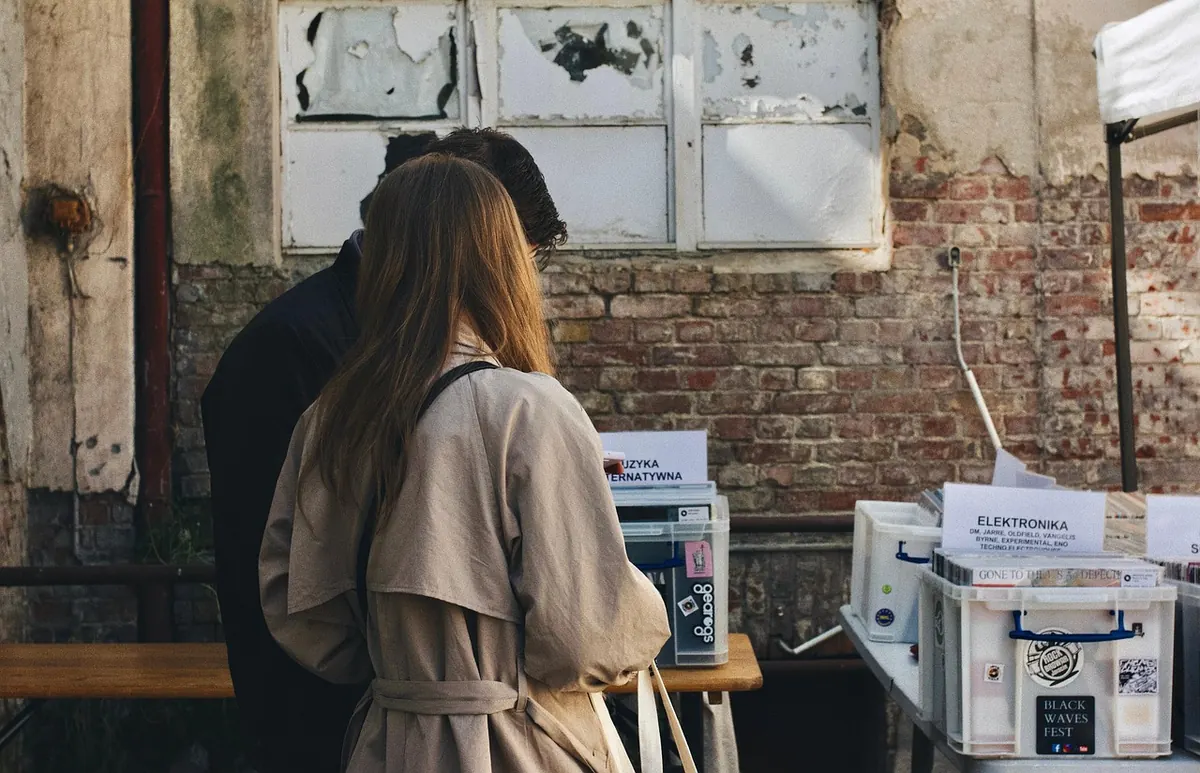
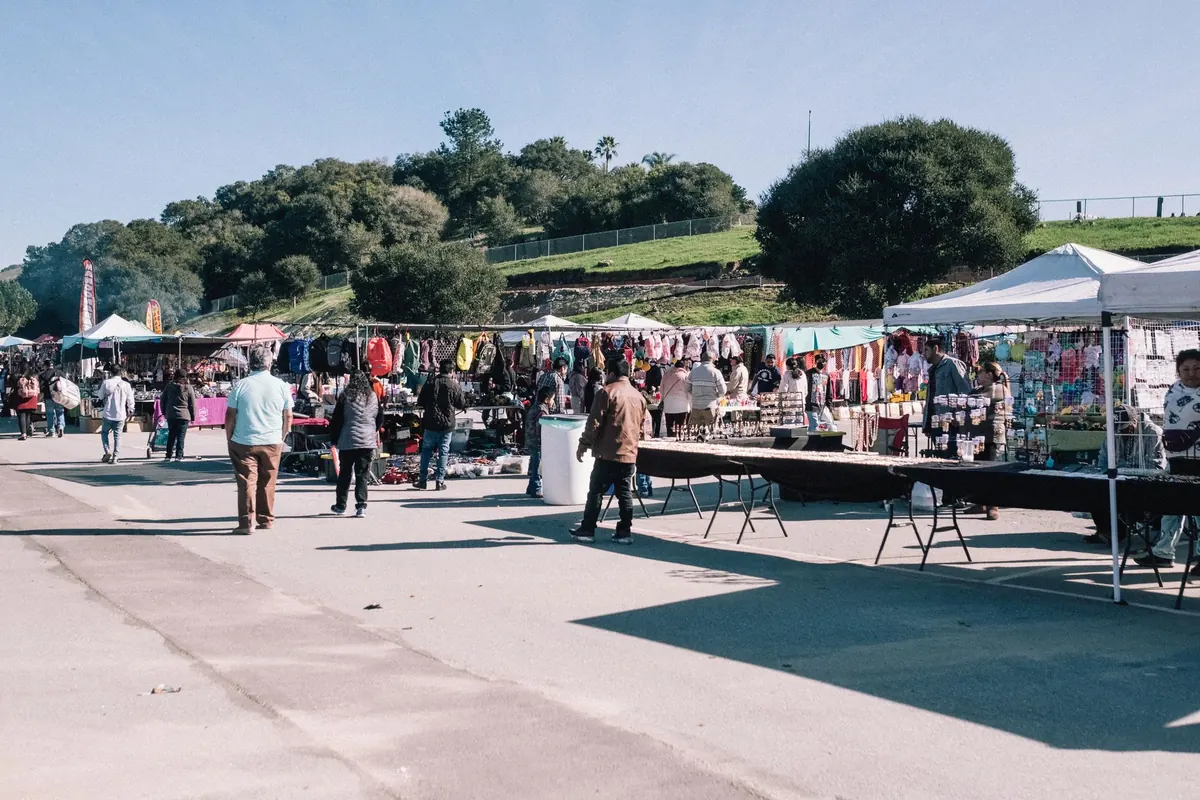
The first surprise at a local market is rarely the produce. It's the pace. Someone is calling out a price, a van is reversing somewhere behind you, two shoppers are debating nearly identical tomatoes, and you're standing in the middle of it with an empty bag and no plan. That's normal. Markets reward a little preparation and good manners more than any other kind of shopping, and neither takes long to learn. What follows is a straightforward first-visit approach: when to turn up, what to carry, how to handle cash, and how to behave so the person behind the counter is glad to see you again next week.
When to Arrive, and When to Stay Away
Most markets have two good windows and one that only suits people who already know the place.
Early is the first. Arrive within the first half hour of opening and you get the full selection, calm aisles, and stallholders with enough breathing room to answer a question. The trade-off is that some stalls are still setting up, crates are in the way, and nobody wants to stop unloading a van to explain which cheese is the mildest. If you go early, be patient and stay clear of the working side of the stall.
The last hour or so is the second. Prices soften, sellers would rather move stock than pack it back into the van, and the mood is looser. Selection is thinner, so you'll end up cooking around what's left rather than chasing a list. Save this for a second visit, once you know which stalls are worth catching late.
The window to avoid on a first trip is the middle of a Saturday morning. That's peak: great atmosphere, slowest queues, and almost no chance of a conversation. And don't turn up ten minutes before closing. You'll be served, but you won't make a friend — sellers are counting cash and stacking crates by then.
Before any of this, check the market's days and hours. Plenty of local markets run weekly or twice a month, and many close by early afternoon. A wasted journey is the most common first-timer's mistake.
Bags, Hands, and the Space You Take Up
Two bags is about right. One large and sturdy, with handles you'd trust with a couple of kilos; one small for the things you'll eat first. A single thin tote will fail at the worst possible moment, usually in the rain. Leave the wheeled trolley at home for your first visit — fine on a wide high street, a battering ram in a narrow aisle.
Keep your bag on your shoulder or held in front of you rather than resting it on a stall table. That surface is someone's workspace and the produce on it is their stock. Have your bag open and ready before you reach the counter; the small pause while you untangle a knot is exactly when the queue behind you starts to breathe heavily.
Cash: Small Habits That Keep a Queue Moving
Many stallholders still run largely on cash, and card acceptance varies from stall to stall and week to week. Don't assume. If you intend to pay by card, ask before you start piling things up — "Can I tap here?" takes two seconds and saves you unstacking a bag of peaches in front of an audience.
Withdraw cash before you arrive, and break a large note by buying something small rather than asking a busy seller to change it out of nothing. Keep notes in one pocket and coins in another so you're not rummaging in a crowd, and keep your wallet out of sight between purchases. A few more habits worth forming:
- Keep a rough running total in your head, or note purchases on your phone as you go.
- Carry small notes and coins for single-item buys; it keeps the line moving.
- Check your change two steps away from the counter, and mention any mistake quietly and straight away rather than days later.
- Set a rough budget before you leave the house — markets are designed to loosen your grip on a tenner.
- Bring a little more than you plan to spend, so an unexpected bargain doesn't leave you short at the next stall.
Stall Etiquette: The Unwritten Rules Worth Knowing
None of this is posted anywhere, and all of it matters.
- Ask before you touch. Point at what you want and let the seller handle it. On a pick-your-own fruit and vegetable stall you may well be invited to help yourself, but wait for the invitation.
- Don't sample without an offer. If a taste is offered, take one and say thank you. Don't help yourself to a second.
- Don't prod what you wouldn't buy. A light squeeze of a peach is normal; excavating the bottom of a crate is not.
- Work out the queue. Some stalls have a clear line; others are a loose cluster with an understood order. Ask "Are you waiting?" and step back — nobody minds the question, and everyone minds the person who pushes in.
- Step aside after paying. Pack your bag and rearrange your coins two paces from the counter so the next customer can reach it.
- Decline politely. If you're not buying, "Thanks, just looking" is a complete sentence. You don't owe an explanation.
How to Talk to a Stallholder
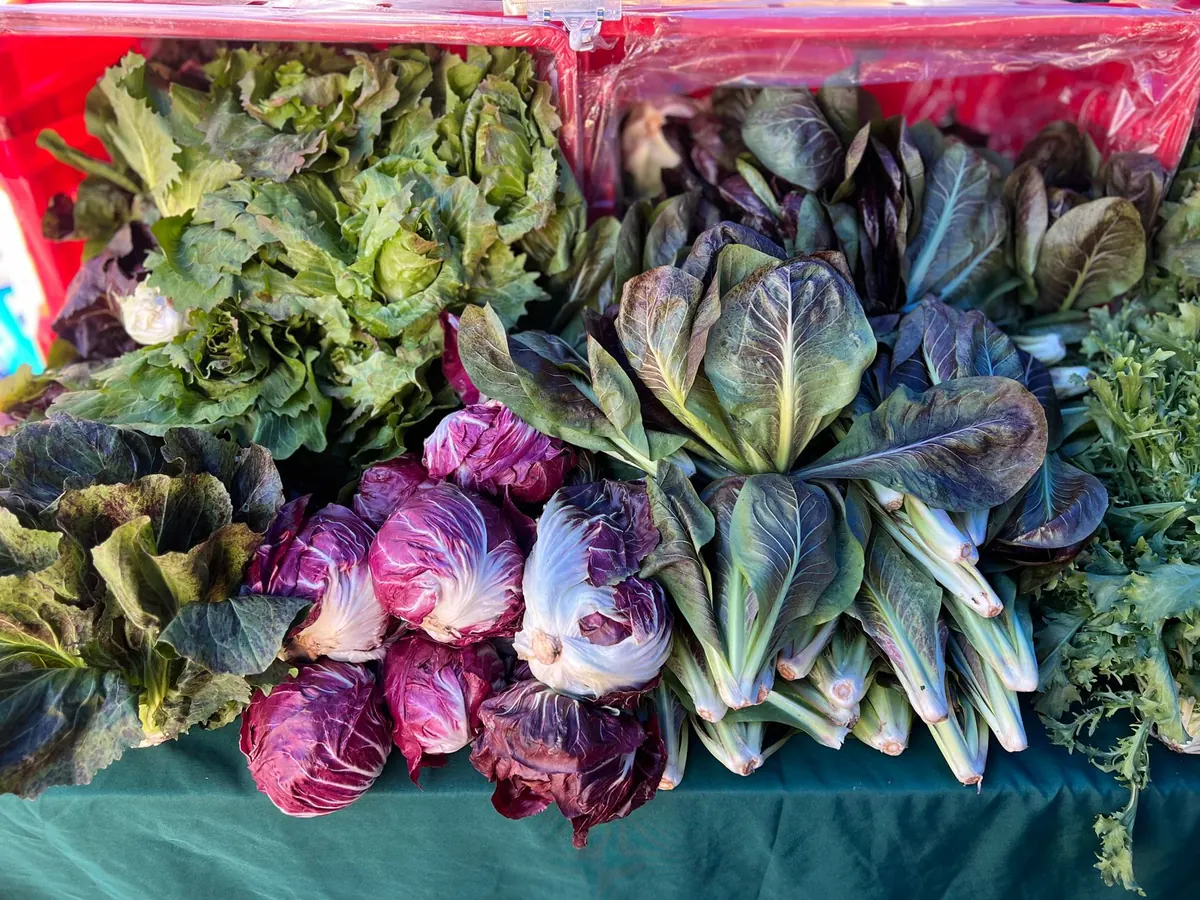
Specific questions get better answers than general ones. "Is this fresh?" puts a seller in an awkward spot and tells them nothing about what you actually want. "Which of these would you take home for a salad tonight?" gets you a real recommendation, and often a better bag of leaves.
Ask where something came from, what's at its best this week, or how they'd cook it. Ask which days they're in, whether they can put something aside for you, and whether they take orders for a larger quantity. Those few questions are how a stall becomes your stall.
Bargaining has a place: on bulk, on a slightly bruised box at the end of the day, on a mixed bag of odds and ends. It has no place on a single two-euro item. If you want to try, keep it cheerful and keep it to one question.
Ask once, warmly, and take the first answer as the answer — that is what separates a friendly negotiation from a tedious one.
Your First-Visit Checklist
You don't need much for a first trip. This is enough:
- Check the market's days, hours and location the day before.
- Take two sturdy bags, one large and one small.
- Withdraw cash in advance and tuck away small notes and coins.
- Walk the whole market once before buying anything, so you know what's on offer further along.
- Ask before touching, tasting or reaching across a counter.
- Buy less than you think you need — markets sell in generous portions, and a kilo of tomatoes is a lot of tomatoes.
That's the whole method. Go early enough to look around, keep your bag off the table, pay with small notes, and ask one genuinely curious question at a stall you like the look of. Then go back next week. The pleasure of a local market isn't a single bargain — it's the moment a seller recognises you and reaches for the good box before you've said a word.
Photo: 24457758 / Pixabay