October 12, 2026
How to Spot a Reliable Local Vendor in Five Minutes
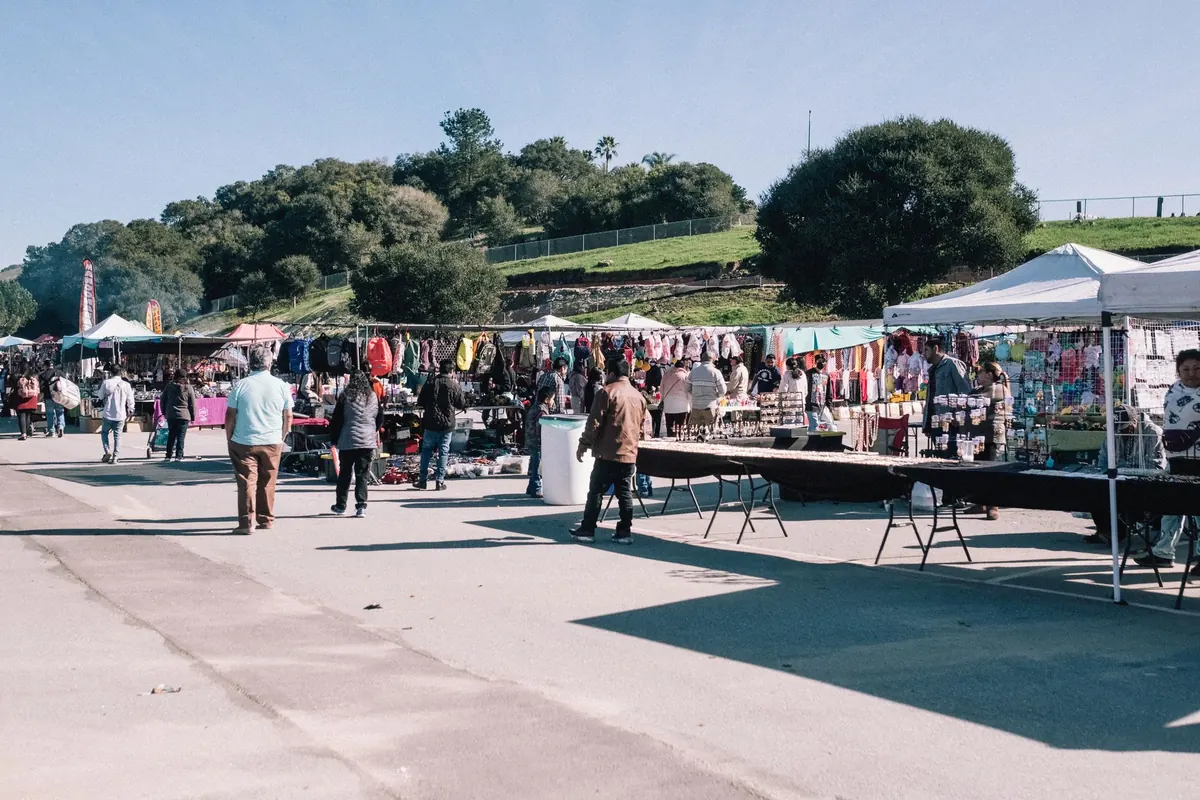
Five minutes at a market stall is enough to learn a surprising amount, provided you spend those minutes looking at the right things. Most people scan the produce or flick through a rail of jackets and decide on instinct. A better approach is to read the stall the way you would read a shopfront: how it is set out, how the vendor talks about what they sell, how prices are marked, and how the people around it behave.
You do not need to be an expert in cheese, ceramics or vintage denim. You need attention, one good question and a little patience. Here is what to look at, roughly in the order you will notice it.
First Look: What the Presentation Says
A well-run stall rarely looks styled. It looks maintained. The two are not the same: a styled stall is arranged to be photographed, a maintained one is arranged so someone can serve you without stepping over boxes.
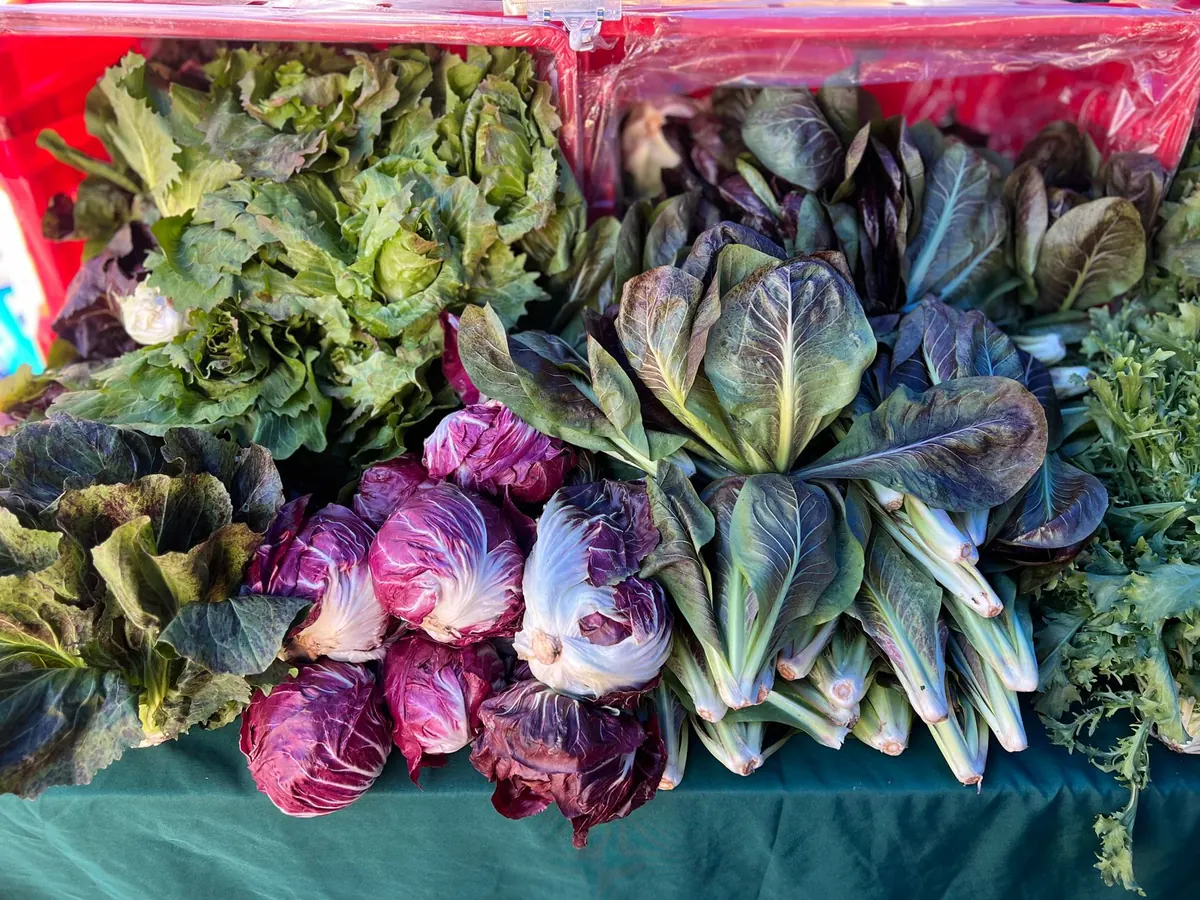
Start at the front edge. Is there room to stand? Are crates stacked so they do not block the walkway? Can you read the price cards from where a customer actually stands? Produce should be faced, the good side up and the soft ones pulled, and nothing should be spilling onto the floor. A baker who has turned every loaf so the slashes show is not just making a display; they are giving you a chance to see the crust without picking everything up. A greengrocer who has removed the bruised peaches from the front of the tray is doing the same quiet work.
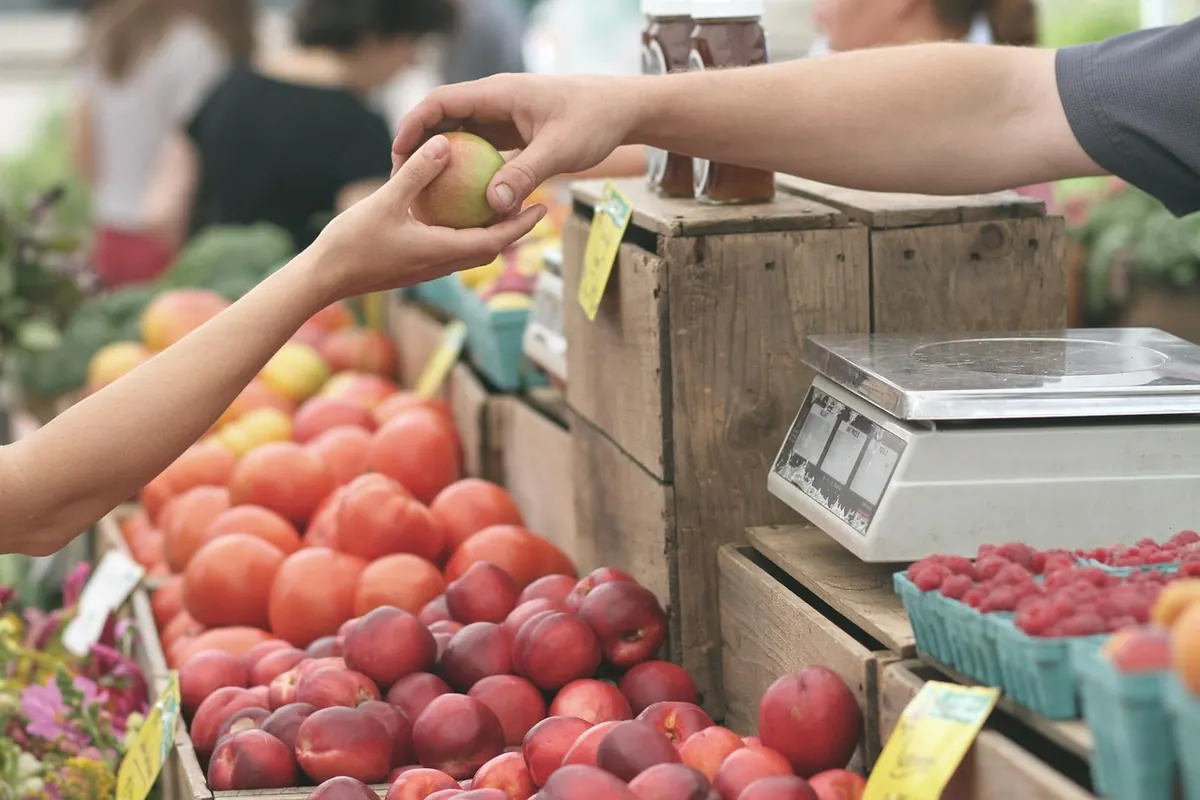
Then the working surfaces. Clean cloths, a visible scale, a card reader that is plugged in or a clear sign saying cash only. Rustic is fine; a cheese stall built from straw and wooden boards can be immaculate. Neglect is not, and a puddle under a fish counter tells you plenty. So does a knife block with the knives facing the same way, a stack of paper bags that is actually within reach, and a bin that has been emptied before it becomes a small monument to yesterday’s trade.
Look behind the counter
The back of a stall is where habits live. Spare crates stacked square, a bin that is not overflowing, a cloth within reach, a float with some order to it. None of this guarantees good tomatoes. It tells you that the person running the stall pays attention when nobody is watching, which is usually how they treat what they sell.
Look, too, at how the vendor handles the stock they are not selling yet. Are the boxes behind the table labelled? Is the next tray of strawberries kept out of the sun? Is there a separate place for damaged goods rather than a corner where everything slowly becomes damaged? These are small signs, but they are the same signs you would look for in a good neighbourhood shop: not perfection, just care.
Ask One Product Question
Ask one specific question. Not “is this fresh?” — that invites a yes and tells you nothing. Ask where something came from, or which of two items they would take home, or how ripe a particular tray is today. Ask about the thing you are actually considering buying, so the answer has to be useful.
Good answers are specific. A reliable vendor names a farm, a region, a week, a variety. They say this batch is better for sauce than salad. They point at the difference between two things on the table instead of repeating the word quality. If you ask about the cheese and they say, “This one is from a herd about twenty miles away; it is younger and sharper, and that one is older and nuttier,” you have learned more in ten seconds than you would from a shelf of labels. If you ask about the bread and they say, “The sourdough came out at seven, the rye at eight, and the rye is better tomorrow,” that is a vendor who knows their own table.
Then ask a follow-up
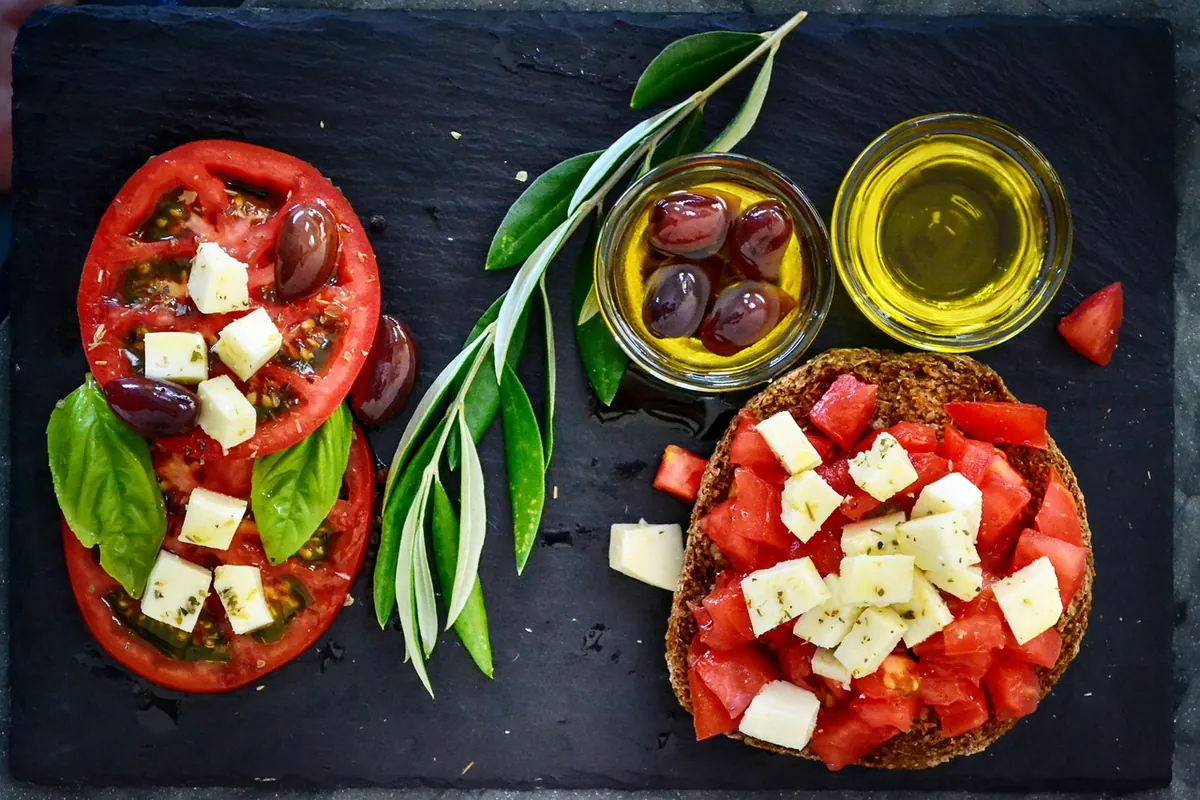
The second question matters more than the first. If they told you the olives come from a particular grove, ask what makes this year different, or whether the oil is better for dressing or cooking. If they said the bread was baked this morning, ask what time it came out of the oven and what is left from the first bake. If they recommended one tomato over another, ask what they would do with it at home. The follow-up is not a test to catch them out. It is a way of seeing whether the first answer was knowledge or a script.
A reliable vendor does not mind a second question; they mind a question that has no useful answer.
You are also listening for how they handle not knowing. “I am not sure, but I can ask the grower” is a good answer. “They are all the same” is not. Neither is a long answer that somehow never mentions the product. A vendor who can say “this batch is not as good as last week’s” is usually more trustworthy than one who insists everything on the table is exceptional.
Read the Prices and the Queue
Prices are part of the presentation, and they tell you how the vendor thinks about customers. Clear price cards, readable units and honest labels are a good sign. So is a sign that explains why something costs more: “These are the last of the outdoor tomatoes,” “Small batch, made in the kitchen behind the shop,” “Organic oats, this year’s harvest.” A little context is not marketing fluff; it is the vendor giving you the information you need to decide.
Watch for the small frictions. A card reader that is always “just warming up,” a price that changes depending on who is asking, a special offer that is not written down anywhere — these are not automatic proof of dishonesty, but they are reasons to slow down. The same goes for a stall where every item has the same vague label: “local honey,” “fresh eggs,” “artisan preserves.” Those words can be true, but a reliable vendor usually enjoys being more specific than that.
- Good sign: Price cards name the item, the unit and, where it matters, the origin.
- Good sign: The vendor can explain why one tray costs more than another without getting defensive.
- Good sign: Cash-only is stated clearly, with no surprise at the till.
- Warning sign: Prices are only given after you ask, and they change when someone else asks.
- Warning sign: Every question is answered with “best quality” and no detail.
Then watch the queue. A long queue is not always a good sign — sometimes it just means the stall is famous — but how the vendor moves through it is revealing. Do they greet people, or just take money? Do they let an older customer finish a sentence? Do they handle a return or a complaint without turning it into a performance? A vendor who is patient with the person asking three questions about apples is usually patient with the apples, too.
The awkward moment matters most. Someone has bought something and is not happy. Someone is short of change. Someone has asked for a bag and then changed their mind. A reliable vendor deals with it plainly, without sulking and without over-apologising. You are not looking for saintliness. You are looking for someone who treats a small problem as a small problem.
The Five-Minute Checklist
If you want a simple way to use the five minutes, run through this checklist in order. You do not need to tick every box, but the pattern should make sense.
- Minute one: Stand back and look at the front of the stall. Is there space to shop, are prices readable, and is the stock cared for rather than just piled up?
- Minute two: Look behind the counter. Are the working habits tidy enough that you would trust the vendor to handle your order without a fuss?
- Minute three: Ask one specific product question. Listen for a name, a place, a time, a variety or a comparison.
- Minute four: Ask a follow-up and watch how they handle detail. Do they build on the first answer, or repeat a slogan?
- Minute five: Watch one transaction. How do they speak to the customer in front of you, and how do they handle the small complications?
By the end of that, you will not know everything about the vendor. You will know enough. A reliable local vendor is rarely the loudest stall or the most beautifully arranged one. They are the stall where the answers are specific, the prices are clear, the stock is looked after and the person serving you seems to be paying attention to the thing in front of them — which, for the next few minutes, is you.
That is the real test. Not whether the stall looks perfect, but whether it feels like someone is actually running it. Five minutes of attention will tell you more than five minutes of browsing, and it will usually save you from the one thing no market-goer can afford: buying from someone who has stopped caring about what they sell.
Photo: Pexels / Pixabay