October 14, 2026
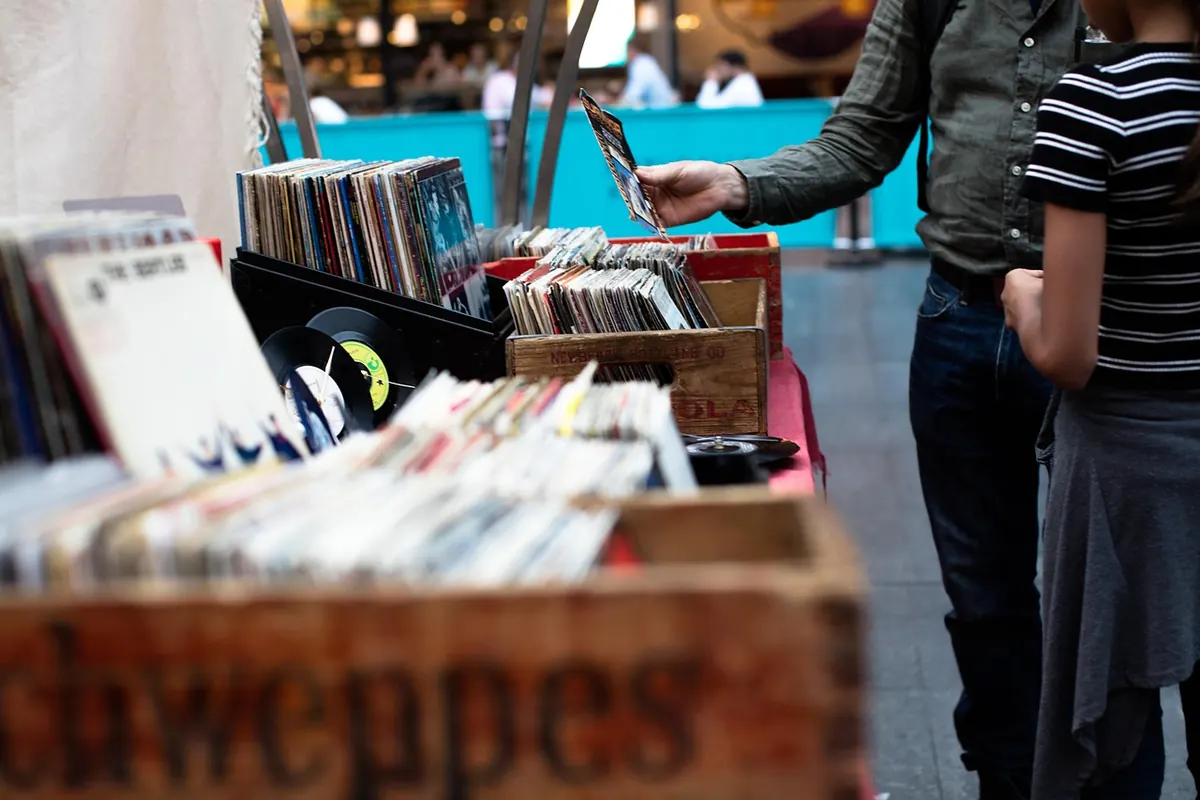
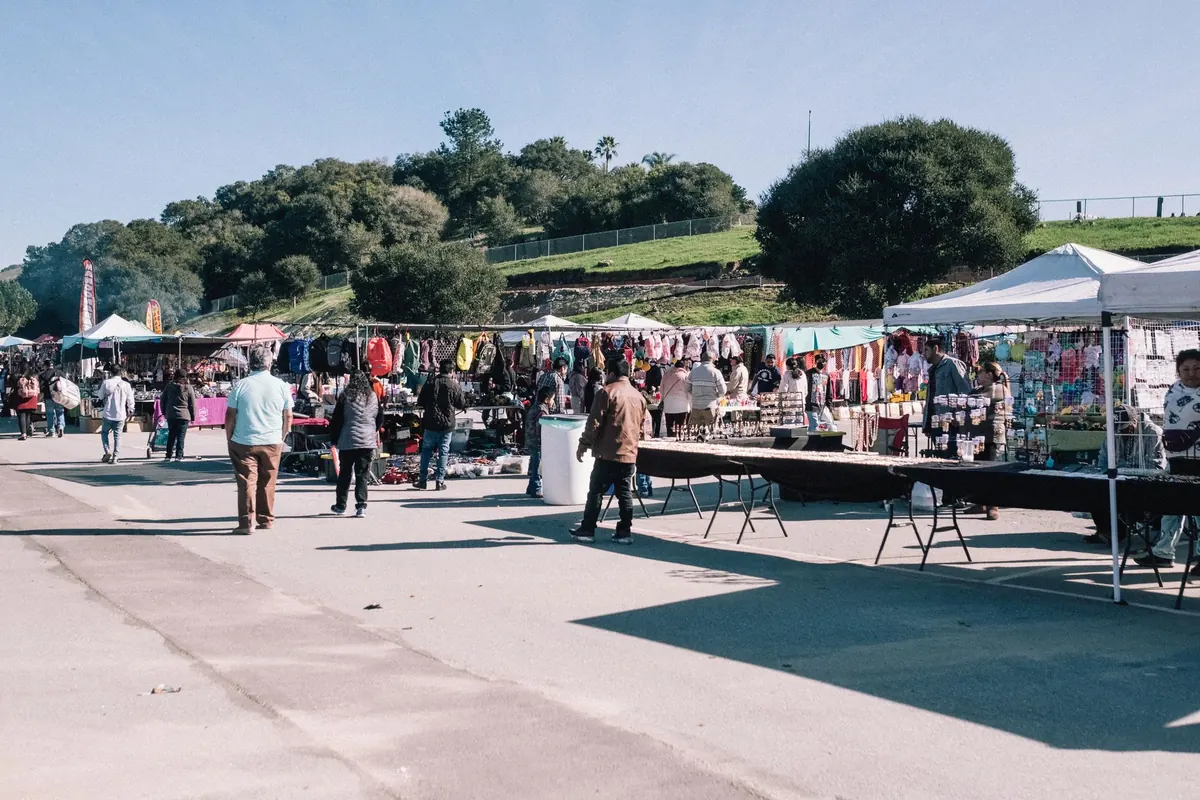
At eight on a Saturday morning the queue at the vegetable stall is four deep and nobody seems to mind. An hour later, the same shopper is at home, phone in hand, ordering a box of tomatoes that will arrive on Tuesday. Both choices make sense. The useful question is narrower than "which is better": which purchase belongs where?
Freshness: what your hands can check and a photo cannot
A stall puts the goods at eye level, and often at nose level too. You can lift the fish and look at the gills, press the peach, smell the basil, turn the artichoke over. That inspection takes ten seconds and tells you more than any product description.
Online, you are buying a promise. Sometimes the photograph shows the actual crate; often it is a stock image the seller has used for months. Chilled goods can arrive in very good condition when the packing is done properly, with ice packs and insulated liners, and a large grocer may well run a tighter cold chain than a small shop with one fridge. So judge the seller, not the format.
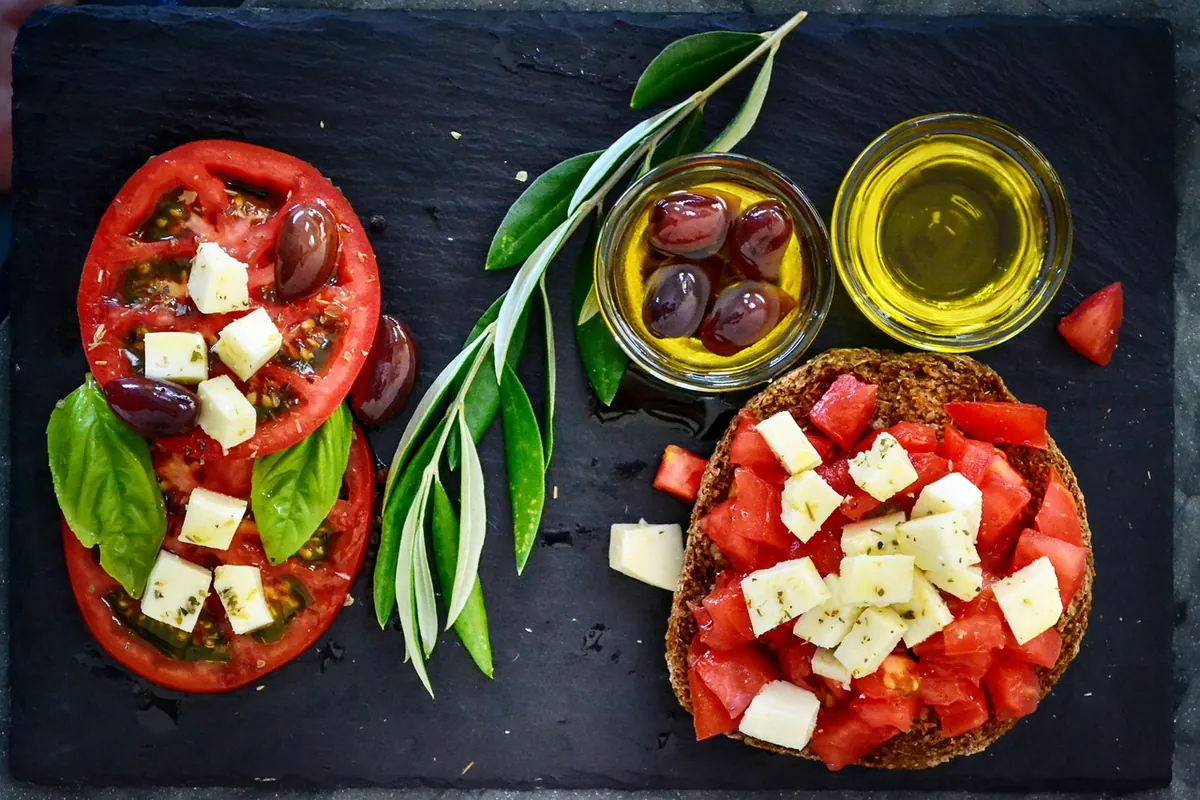
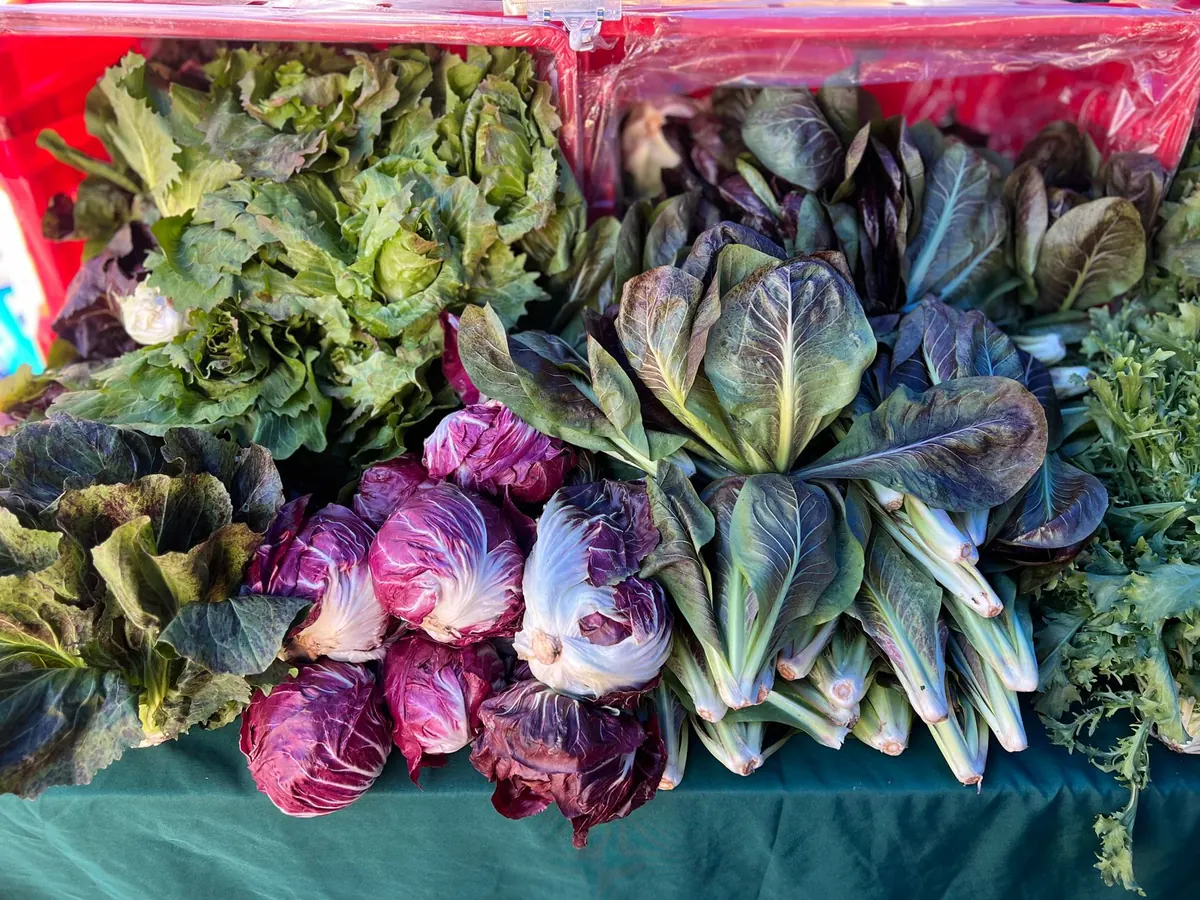
Where the stall almost always wins is the fragile end of the list: soft fruit, salad leaves, fresh herbs, anything that bruises. A box that has survived a courier for a day is not the same fruit as one that survives a canvas bag for an hour. Buy the delicate things by hand and let the sturdy things travel.
Traceability: a face answers faster than a form
Ask a stallholder where the cherries came from and you get an answer immediately, often with a story attached: a farm twenty kilometres out, a delivery that came in on Thursday, a variety they stopped stocking because it did not sell. Ask the same question of an online listing and you get a country of origin in a dropdown, and sometimes a seller who is itself buying from a wholesaler who bought from someone else.
The gap matters most with meat, fish, cheese and produce sold as local. A stallholder can point at the crate and tell you when it arrived. An online seller can only tell you what is in their system.
Four questions worth asking at any stall
- Where is this from? A vague answer is information too.
- When did it arrive? Particularly for fish and leafy greens.
- How should I store it, and when should I eat it? Vendors know which day their peaches peak.
- What is good today? The honest answer often redirects you to something cheaper and better.
Returns and putting things right
At a stall, a problem is a conversation. A cracked egg, a punnet with bruised fruit at the bottom, a piece of cheese that turns out to be saltier than you expected: you are standing in front of the person who sold it to you, and most will swap it, knock something off the price, or give you a better cut next week. It takes a minute and requires no packaging.
Online, the process is defined by the seller's terms. Distance selling rules in the EU give consumers a cooling-off period for many online orders, but fresh and perishable food is commonly excluded, and change-of-mind returns on a crate of fruit you have never tasted may simply not be available. Read the returns page before the first order, not after.
Two habits make online buying much safer. First, order small from a new seller — one item, not the whole month's shop. Second, keep the packaging until you have checked everything inside it. If a delivery arrives warm, photograph it before you open the rest. For recurring problems, though, the stall has the advantage: the person responsible is there again next week and knows your face.
Convenience: two different kinds of time
Online wins on scheduling and weight. Six bottles of water, ten kilos of flour, a sack of cat litter, a case of tinned tomatoes — nobody wants to carry those up a flight of stairs, and a delivery slot solves it while you are doing something else. It also wins if you have no car, limited mobility, or a week too full to reach the market before it closes.
The stall wins on immediacy and precision. You need dinner tonight, and you can buy exactly three carrots rather than a kilo bag, a handful of parsley rather than a bunch the size of a hedge, two slices of cheese cut to the thickness you like. Market shopping lets you match quantity to the meal. Online shopping makes you buy in units the seller has decided on.
Convenience is not one thing. It is worth asking whether you are saving an hour of travel or simply trading a pleasant half-hour outdoors for one more screen.
Price: the sticker versus the whole bill
A single price comparison rarely settles it. A stall may look more expensive per kilo until you factor in that you bought exactly what you needed and threw nothing away; an online basket may look cheaper until delivery, a minimum spend and a wasted third of a bulk bag are added in.
Both sides carry costs that do not appear on the label. At the market that means parking, the temptation of the good bread stall, and the fact that you went for lemons and came back with a bag of peaches. Online it means delivery fees, packaging, substitutions you did not choose, and the risk attached to a first order from an unknown seller.
Five things to put in the same column
- Price per usable kilo — after trimming and waste, not before.
- Delivery or travel cost — including parking, fuel or a bus fare.
- Minimum spend — what you are pushed to buy to check out.
- The cost of a failed purchase — who pays, and how quickly it is fixed.
- Your time — honestly counted, both ways.
Where each one genuinely wins
- Buy at the stall: fish, meat, bread, ripe fruit, herbs, cheese you want to taste first, small quantities, whatever is at its best this week, and anything where you want advice from someone who has handled it.
- Buy online: heavy pantry staples, specialities from outside your area, repeat orders of products you already know and trust, bulk for a large lunch, and anything you cannot reasonably carry home.
There is a third case worth naming: the vendor who sells through an online marketplace as well as a stall. Ordering a case of oil or a box of preserves from them by message keeps the traceability and the accountability, and skips the queue.
A weekly split that works
Treat the fridge and the cupboard as two different shopping problems. The fresh half — fish, greens, soft fruit, bread, cheese — belongs at the market, where you can see it and ask about it. The cupboard half — oil, flour, tins, coffee, cleaning products, bulk pasta — belongs online, where weight and repetition make delivery worth the fee.
Keep one list, split into two columns, and add to it through the week instead of rebuilding it from memory on Saturday. When you try a new online seller, start with a single item you already know well, so you can judge packing and quality rather than guessing at both. At the stall, ask the price of a whole crate or a full case: end-of-day and bulk prices are often better than the label, and asking costs nothing. Finally, check the current returns terms before you rely on them; consumer rules differ between countries and are revised from time to time, and a seller's own conditions are what you actually agreed to.
Photo: Pexels / Pixabay